What drying actually does
July 14, 2026

Fresh chicken is roughly three-quarters water. Bacteria and mould need that water to do anything. Take enough of it away and you have a food that keeps for months without a preservative in it, because there is nothing left for spoilage to work with.
That is the whole mechanism. Not heat, not chemistry — just patience and airflow.
Why it takes so long
You cannot rush water out of muscle fibre without cooking the outside first. Dry it too hot and you get a piece that is seared on the surface and still damp in the middle, which is the worst of both: it looks done and it is not shelf-stable.
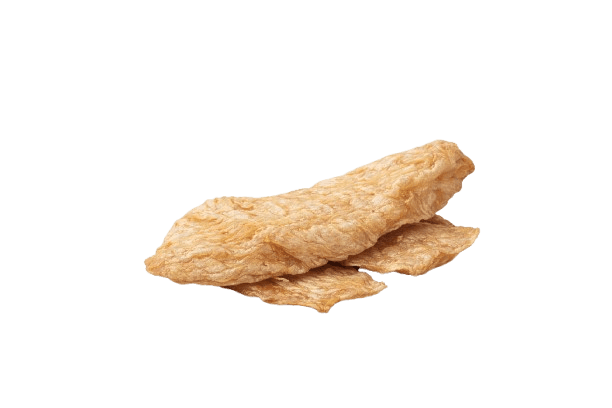
So it goes low and slow, for hours, until the piece has lost enough weight that it snaps rather than bends. Snapping is the test. A treat that flexes still has water in it.
What is left behind
Removing water concentrates everything that is not water — which for lean chicken means mostly protein. Weight for weight, a dried piece is far denser than the fresh meat it came from. That is worth remembering when you are portioning, because a piece that looks modest is not.
What this rules out
A properly dried treat cannot also be soft. If you want soft, you need a humectant — usually glycerin — holding water in the piece and something else stopping that water from growing anything. Both are perfectly legal and neither is on our list.
We chose the snap. It is the sound of a treat that got the time it needed, and it is the reason the sage tin keeps for months on a counter with nothing in it but chicken.